Wood Fencing Services in Melbourne: What Really Happens on a Timber Fence Job

A fence looks simple from the street. A row of posts, a rail or two, and a stack of palings. Yet a timber fence that lasts twenty years and one that leans after two wet winters can look identical on day one. The difference sits underground and in the details most owners never see. If you are weighing up wood fencing services in Melbourne, knowing how a good job unfolds helps you ask better questions.
This guide walks through the stages in order, from the first conversation to the final tidy-up. It points out where quality is won or lost at each step.
Stage 1: Boundaries and ground rules
Every fence job starts with a question that has nothing to do with wood: where exactly is the boundary? A fence built a few centimetres over the line can cause a dispute that outlasts the fence.
If the new fence replaces a shared dividing fence, Victoria has rules about notifying the neighbour and sharing costs under the Fences Act 1968. The owner should read the current guidance from the state government, or ask a surveyor, before work begins. A fence next to a pool or on a corner block can face extra rules on height and visibility, so mention those details when you ask for a quote.
Stage 2: The site visit
A proper quote needs a visit. The fencer measures the run, checks the slope and looks for obstacles such as tree roots, retaining walls, drains and underground services. Sloping ground matters because a fence can either step down in sections or follow the slope, and each style changes the amount of timber needed.
Access matters too. If a truck cannot reach the back fence, posts and concrete must be carried by hand, and that adds labour.
Stage 3: Choosing the timber and the style
Timber is not one product, and good wood fencing services in Melbourne start by matching the timber to your yard. The main choices are:
Treated pine: Widely used for posts, rails and palings, and usually the lower-cost option. Look for the treatment grade that suits ground contact.
Hardwood: Denser and naturally durable. It often costs more and is harder to cut and fix.
Cypress and other softwoods: Used in some decorative styles, with different upkeep needs.
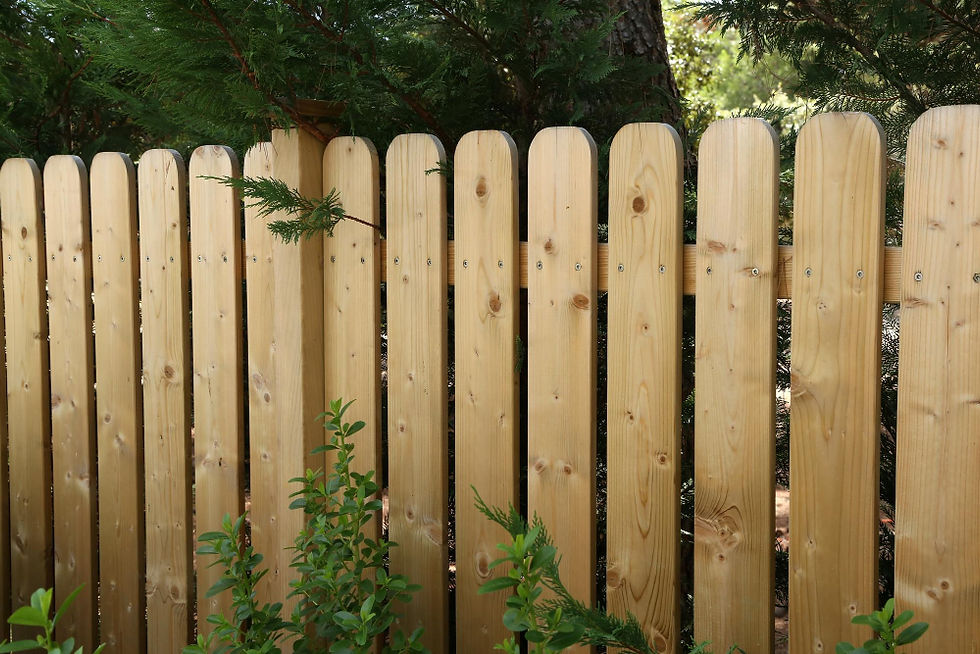
Style is a separate choice. Common forms include lapped and capped paling fences, picket fences and slatted screens. A paling fence gives privacy. A picket fence suits a front garden and shows the house. Ask which timber, which treatment and which style the quote assumes, then check that two quotes match before you compare prices.
Why quotes differ
Two quotes for the same fence can sit far apart. The gap usually comes from the scope, not the hourly rate. Cost moves with the length of the run, the height, the timber and treatment, the number of gates, the slope, site access and whether the old fence comes out.
Lay the quotes side by side and tick off each item. A low price that skips removal, concrete or gate hardware is not low once you add those back. Ask for the details in writing so you compare like with like.
Stage 4: Marking out and removing the old fence
If an old fence is coming out, the crew removes the palings, rails and posts. Old posts can be set in concrete and take real effort to pull. The removal and disposal of old timber should appear as a line in the quote. If it does not, ask.
The team then marks the new line with string or stakes and sets the post positions. Posts are usually spaced about two to two and a half metres apart, though the exact gap depends on the timber and the design.
Stage 5: Posts and footings
This is the stage that decides how long the fence lasts. The hole is dug to a depth that suits the height of the fence, and the post is set plumb in concrete or well-compacted material. Posts take the wind load, so shallow holes and weak footings are the usual cause of a leaning fence.
Concrete needs time to cure before it carries load. A crew that rushes to hang palings on the same day may leave you with posts that shift. Ask how long they wait.
A company that lists wood fencing among its services, such as the one described on this timber fencing page, should be able to explain its footing method in a sentence or two. A clear answer is a good sign.
Stage 6: Rails, palings and fixings
With the posts set, the crew fits the rails and then the palings. Gaps between palings are kept even, and the tops are lined up with a string or a level. Fixings matter more than most people think. Galvanised nails or screws resist rust, while plain steel stains the timber and fails early.
Treated timber also reacts with some metals, so the right fixing for the timber type helps stop streaks and weak joints.
Stage 7: Gates and finishing
Gates take the most abuse on any fence. They swing, they carry their own weight, and they get slammed. A gate needs a strong frame, solid hinges and a post that will not move. Fit and sag checks should happen before the crew leaves.
Finishing is also the point where you decide on oil, stain or paint. Fresh timber can need time to dry before it accepts a finish. Ask the fencer for advice on timing for the timber you have chosen.
Stage 8: Clean-up and handover
A tidy site is part of the job. Offcuts, old timber and spilt concrete should go. Walk the whole fence with the fencer. Look along the top for line, check that every paling is firm, open and close the gate, and note any marks.
Problems to watch for
Most timber fence faults fall into a short list. Posts lean when the footings are shallow. Palings cup or split when the timber was not dry or not suited to the spot. Rails sag when the span between posts is too wide. Gates drop when the hinge post moves.
Each fault traces back to a decision made during the build, which is why the stages above matter. Photos taken during the job, especially of the post holes before the concrete goes in, give you a record if a problem shows up later.
How to keep it lasting
Timber fences need care. Keep soil and mulch from piling against the bottom of the palings, cut back vines that hold moisture, and reapply the finish when the surface looks dry or weathered. Small repairs done early are cheap. Left alone, a loose paling soon becomes a loose rail.
Melbourne's weather adds a few wrinkles. Hot, dry summers can dry timber out, and a wet winter keeps the base of a fence damp for weeks. Gaps for airflow at the bottom, and a clear strip of ground along the fence line, help the timber dry out between showers. A fresh coat of finish every couple of years, applied on a dry day, gives the boards their best protection.
The questions worth asking
When you collect quotes for wood fencing services in Melbourne, ask each firm the same short list: what timber and treatment, how deep and how wide the post holes, how long the concrete cures, who removes the old fence, and who handles neighbour notices. Dan Home Construction is one Melbourne company that lists timber fencing among its fencing services, and the same questions apply to any provider.

Comments